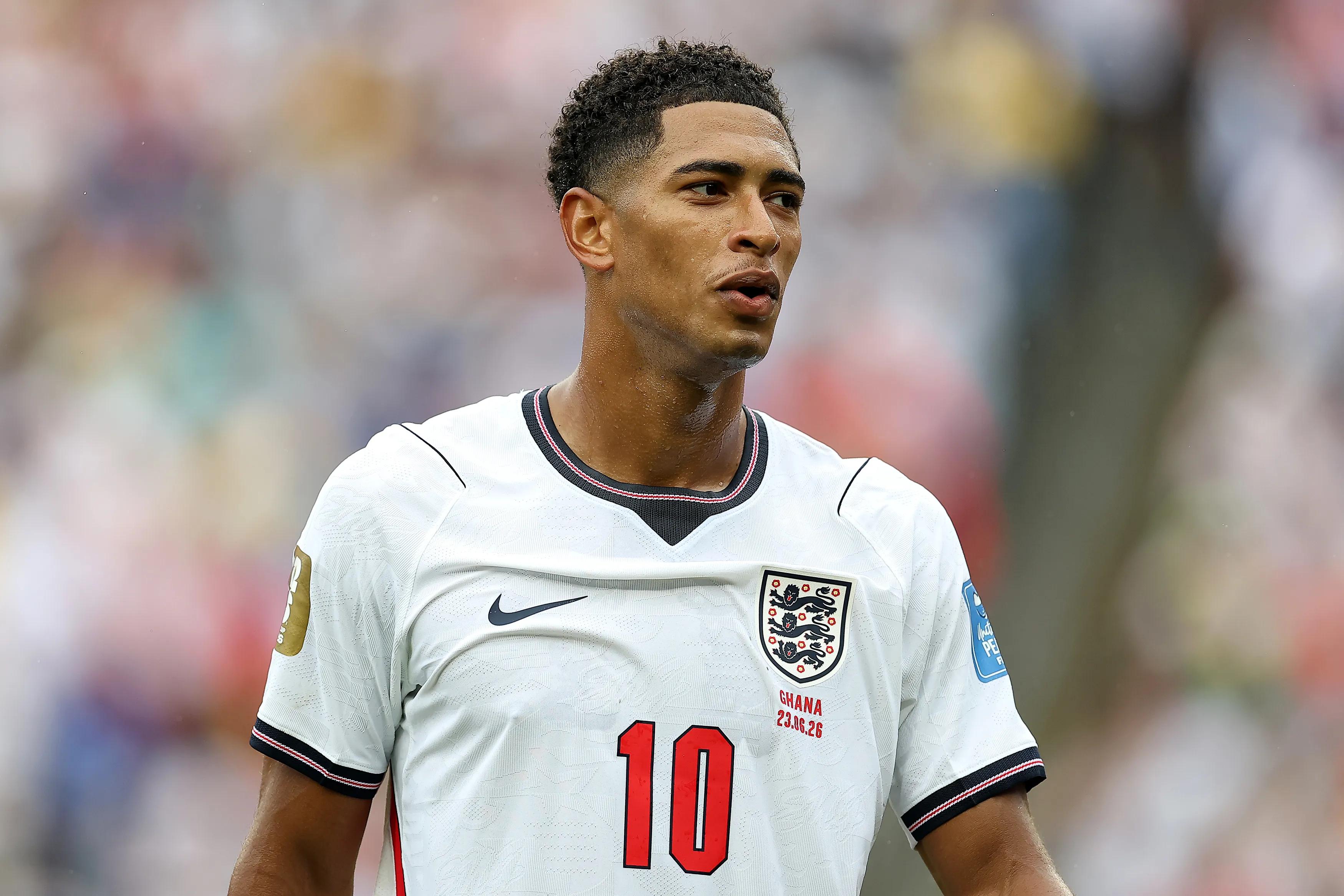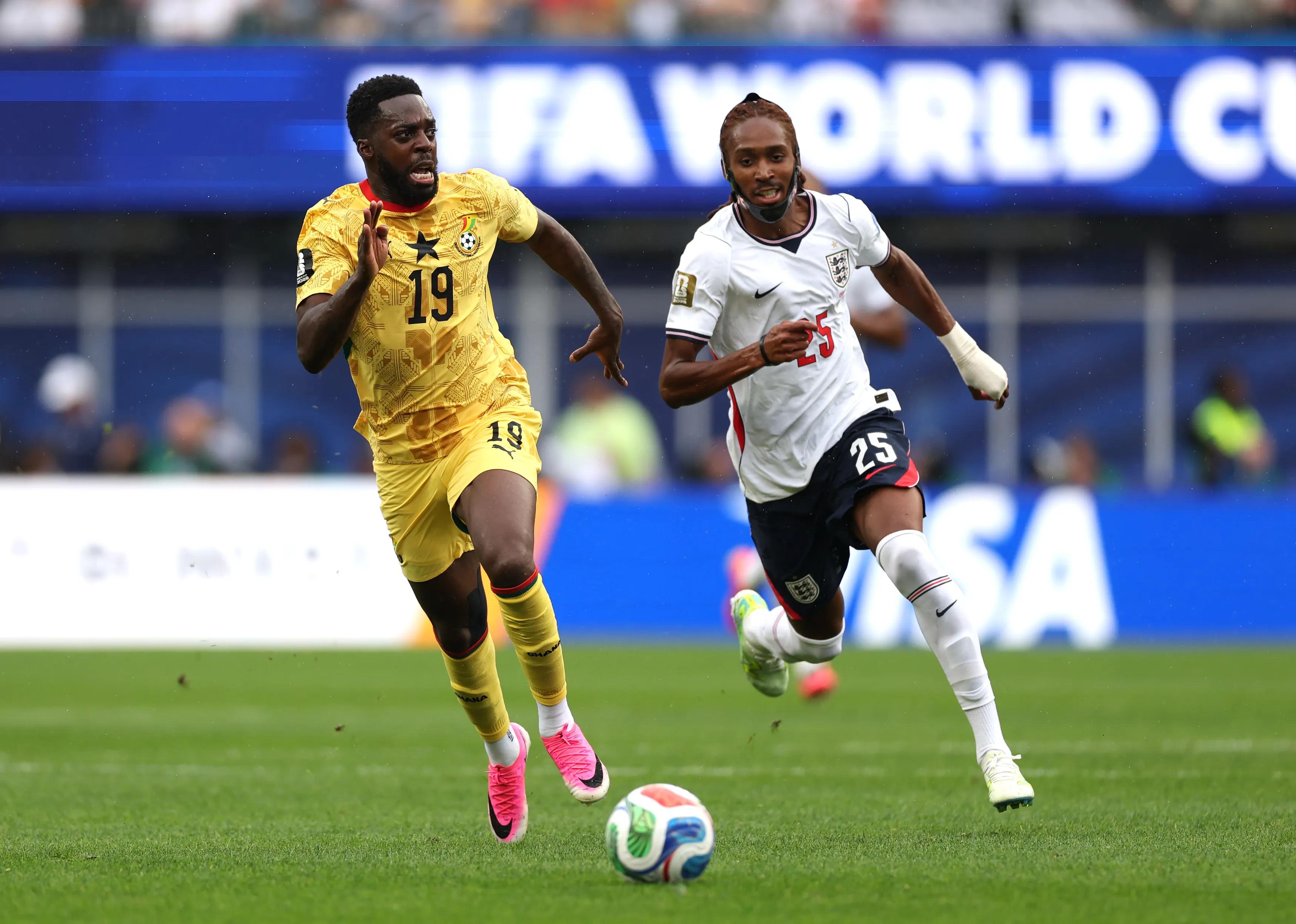
A hand-painted banner, lashed to a railing with plastic zip ties, snapped in the Houston breeze above a chorus singing in Twi. The paint was fading and the edges were frayed, but the message blazed in red capitals: the continent rises — from Cameroon's dancers to Ghana's warriors. Beneath it stood Kojo, fifty-five, who had liquidated savings meant for his daughter's tuition to make this journey. He regretted nothing. Kojo had been thirteen when Cameroon stormed the 1990 quarterfinal and nearly toppled England. He remembered watching on a flickering set in his uncle's compound, neighbors spilling through the doorways, and the uncle's prophecy when the dream died: remember this grief, for one day another team will finish what they began. That day had arrived. Ghana, having survived a brutal group stage, now faced England in a fixture heavy with ghostly resonance. The parallels were impossible to ignore. Cameroon had been dismissed as entertainers destined to collapse; Ghana received the same patronizing praise, pundits admiring their spirit while forecasting inevitable failure. But the supporters in the stands knew what the analysts did not — this moment had been fermenting for thirty-six years. The Ghanaian contingent was outnumbered but unbowed. They had traveled from Accra, from London, from Toronto, carrying drums and flags and the accumulated hunger of a footballing nation that has tasted heartbreak too often. When their team took the lead, the sound that erupted was not celebration but vindication — a roar that seemed to travel backward through time to comfort a boy watching in 1990. Kojo clutched the banner and thought of his uncle, long buried. Around him, younger fans who had never heard of Roger Milla were inventing their own memories, their own heroes, their own reasons to believe. The torch was passing in real time, and for ninety minutes at least, the distance between Houston and Yaoundé collapsed into a single, defiant song.
“Cinematic glory, frame by frame.”