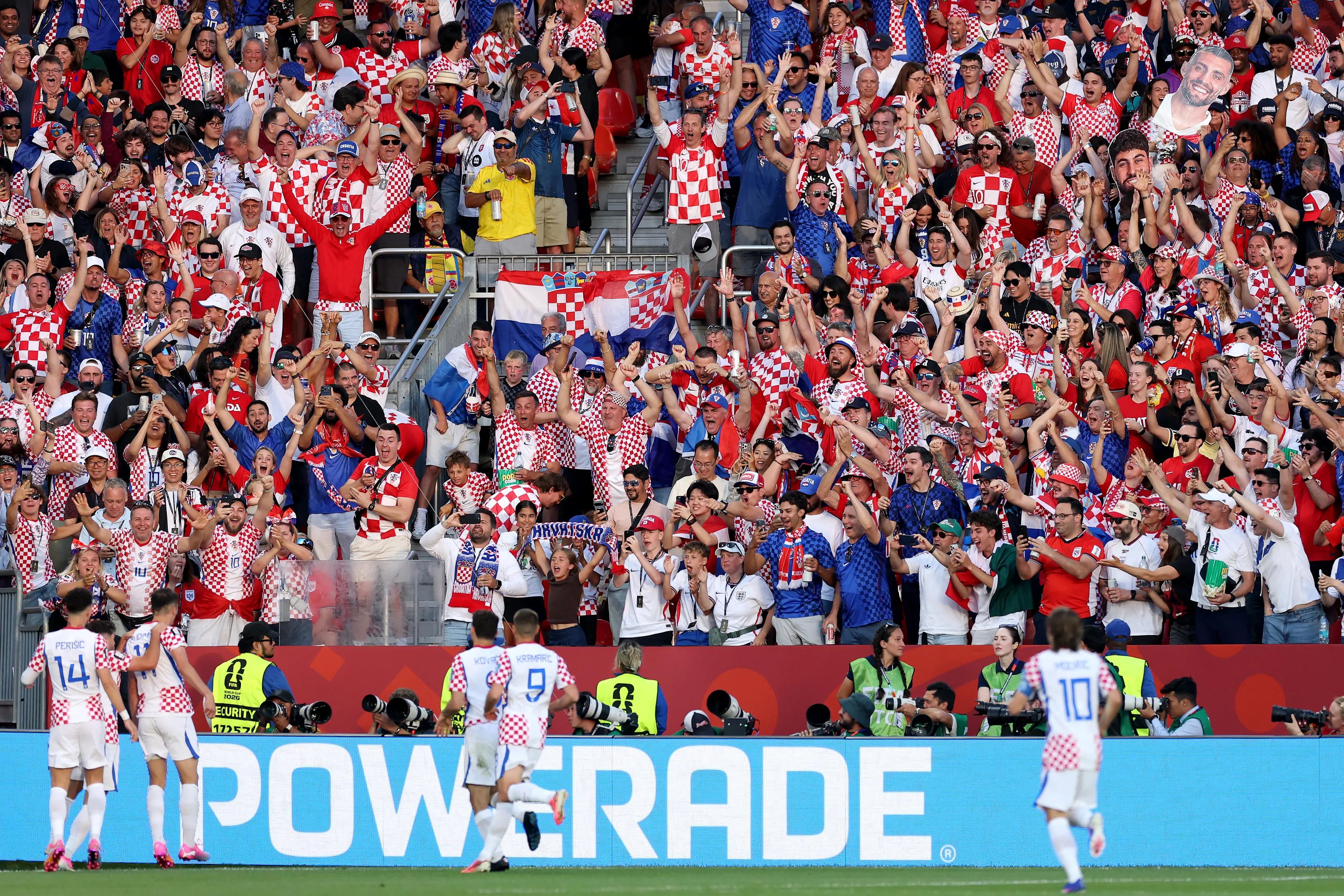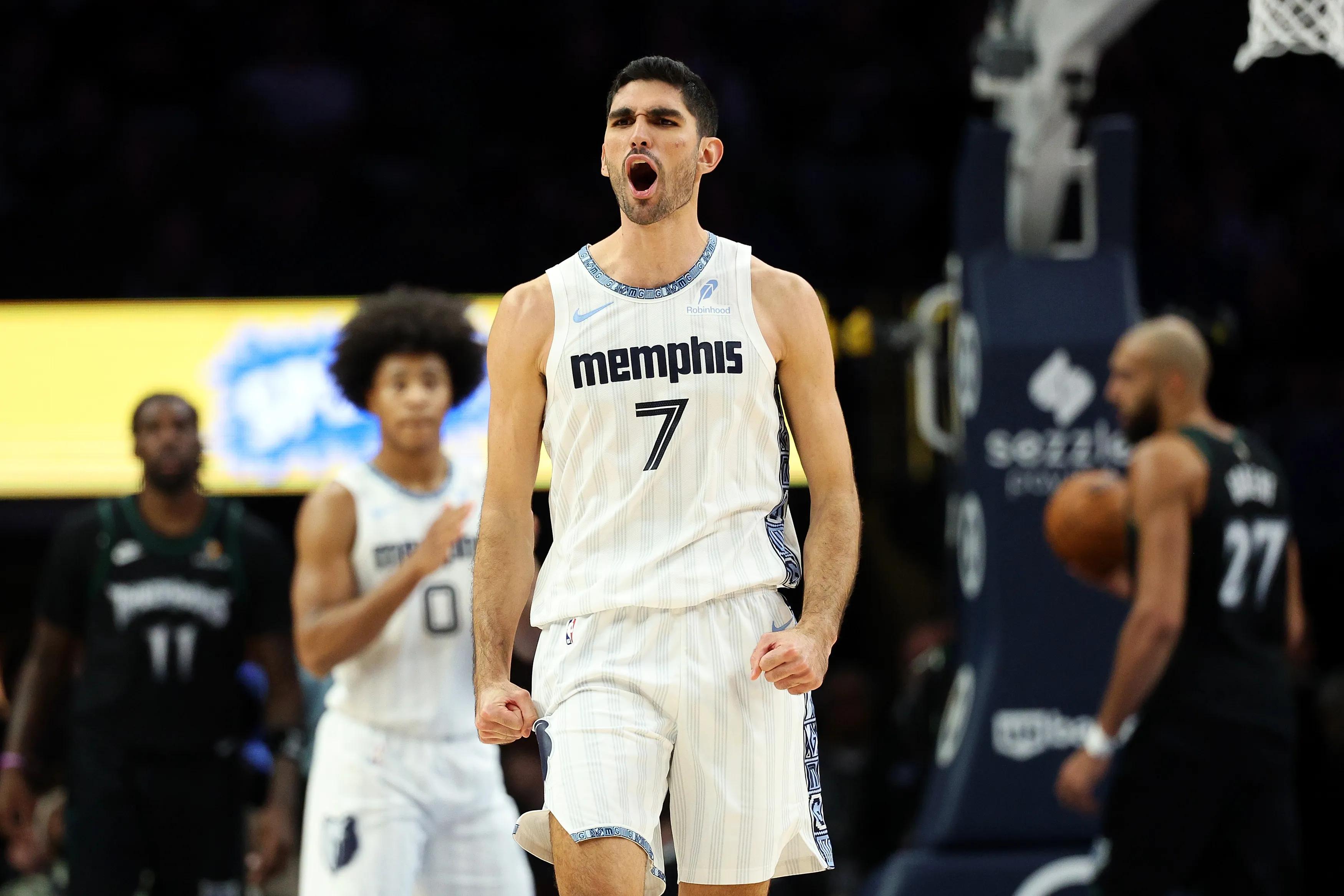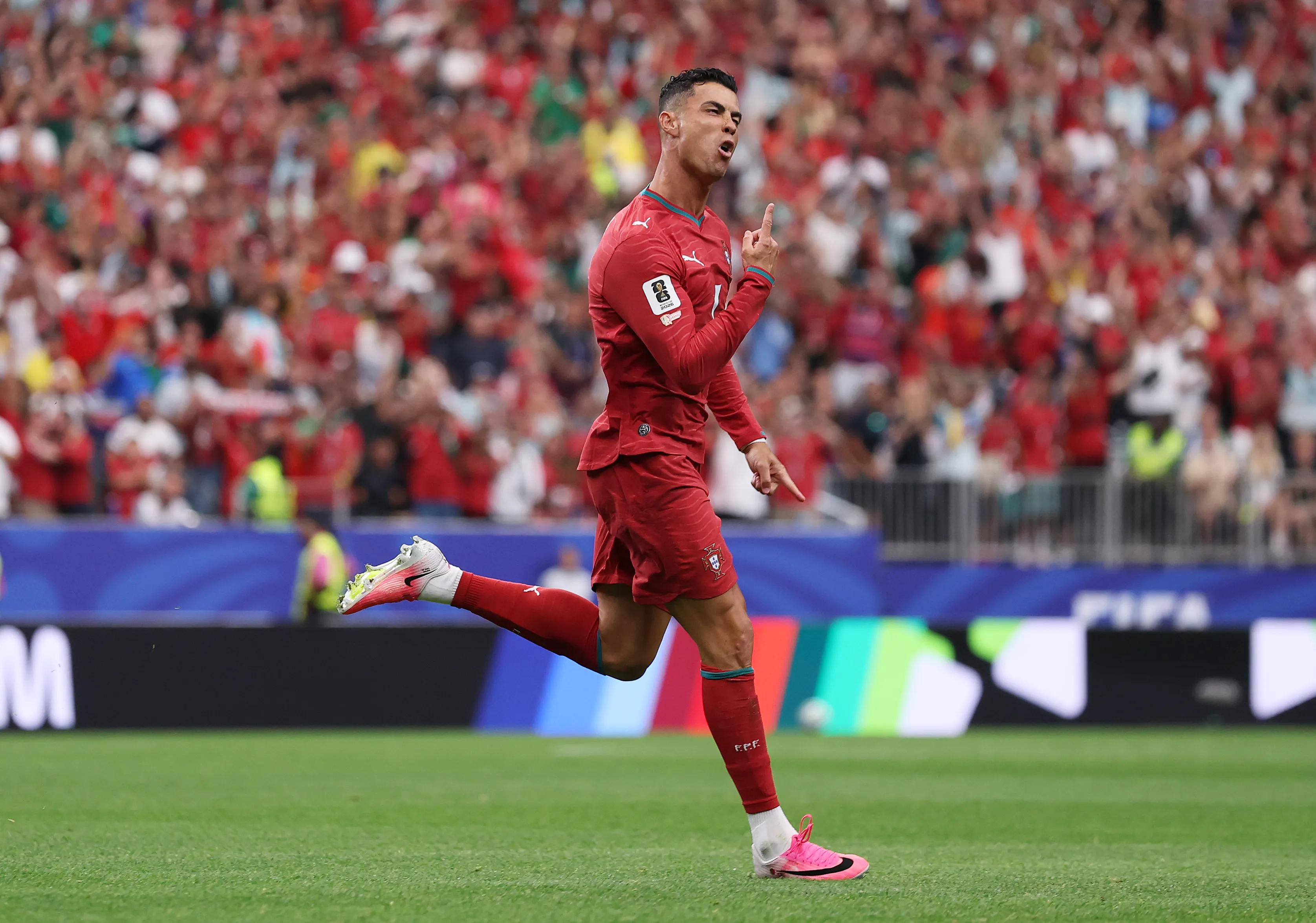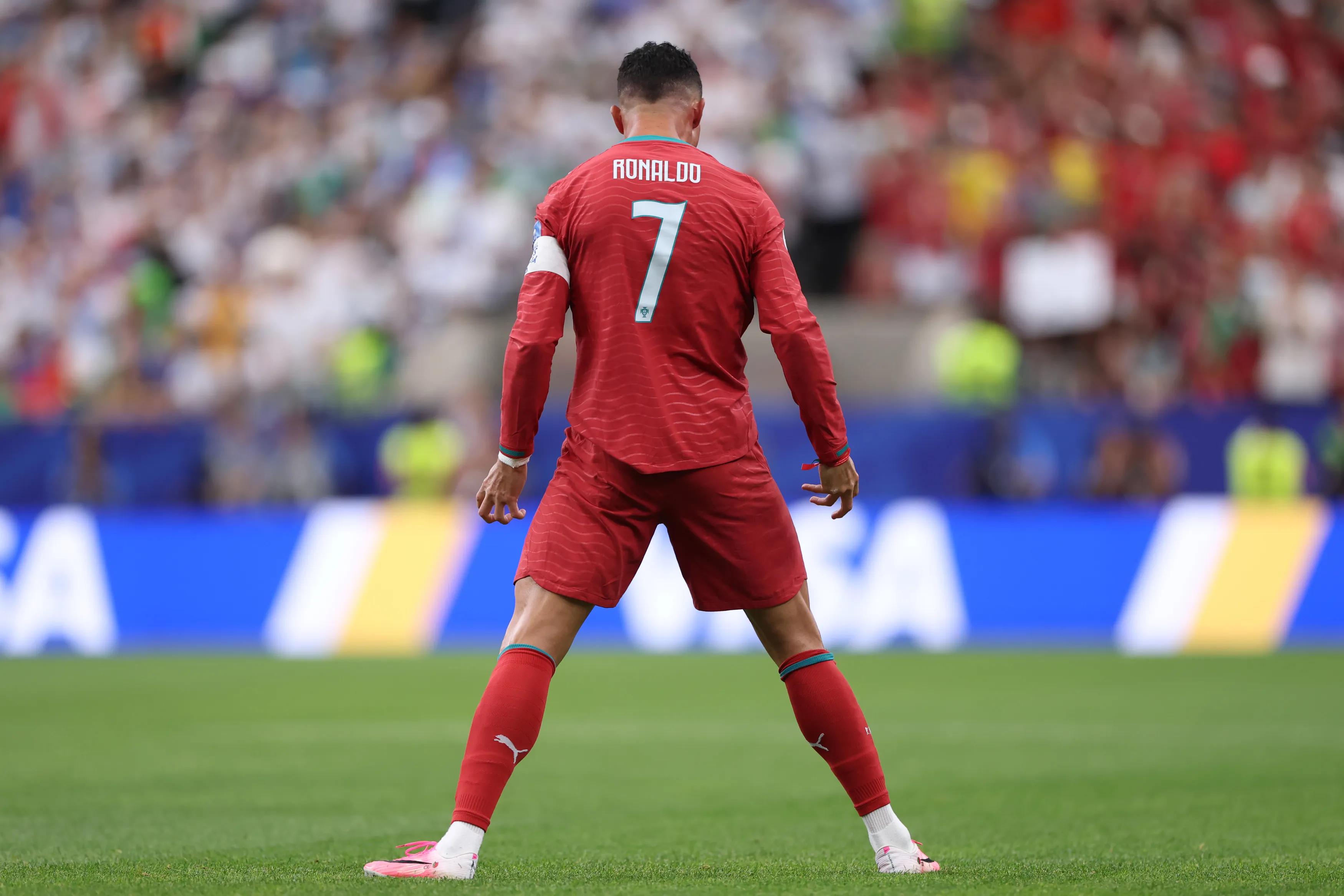
The photograph uploaded at midnight showed two hands gripping the same metal barrier — one knotted with age, the other smooth with youth. The caption beneath it read simply that some things transcend generations, and within an hour the post had rocketed across every social platform. Behind the image lay a story that thousands of families recognized as their own. Harold, a retired mechanic from Newark, had witnessed Roger Milla dance at the corner flag in 1994, a memory etched so deeply that he could still recall the smell of the stadium grass. His son Derek, a history teacher who had always found his father's football obsession slightly embarrassing, sat beside him at MetLife Stadium as a forty-one-year-old striker rose to meet a curling cross. The header struck the net, and Derek found himself leaping from his seat, screaming words he did not know he possessed. "Now you understand," Harold shouted over the din, tears streaming down his weathered face. "Now you see why I made you watch those old tapes." The moment crystallized something that statistics cannot capture — the strange democracy of football, where a goal scored in 2026 can echo one scored thirty-two years earlier in the same arena. Social media lit up with comparisons, grainy footage of Milla's corner-flag celebration spliced against the modern strike. Pundits debated which was more remarkable, but for families like Harold's, the answer was irrelevant. What mattered was the thread connecting a father's wonder to a son's awakening. Across the stadium, similar scenes unfolded. Fathers lifted children onto their shoulders, pointing at the giant screens as if directing them toward a revelation. The goal had done what goals always do — it had collapsed time, allowing strangers to share an instant of pure joy that would harden into memory before the night was over. And somewhere in the parking lot, Harold and Derek walked to their car in silence, the kind of silence that only comes when words have finally become unnecessary.
“Every match is a premiere.”